What to Pack for a Winter Trip to Switzerland
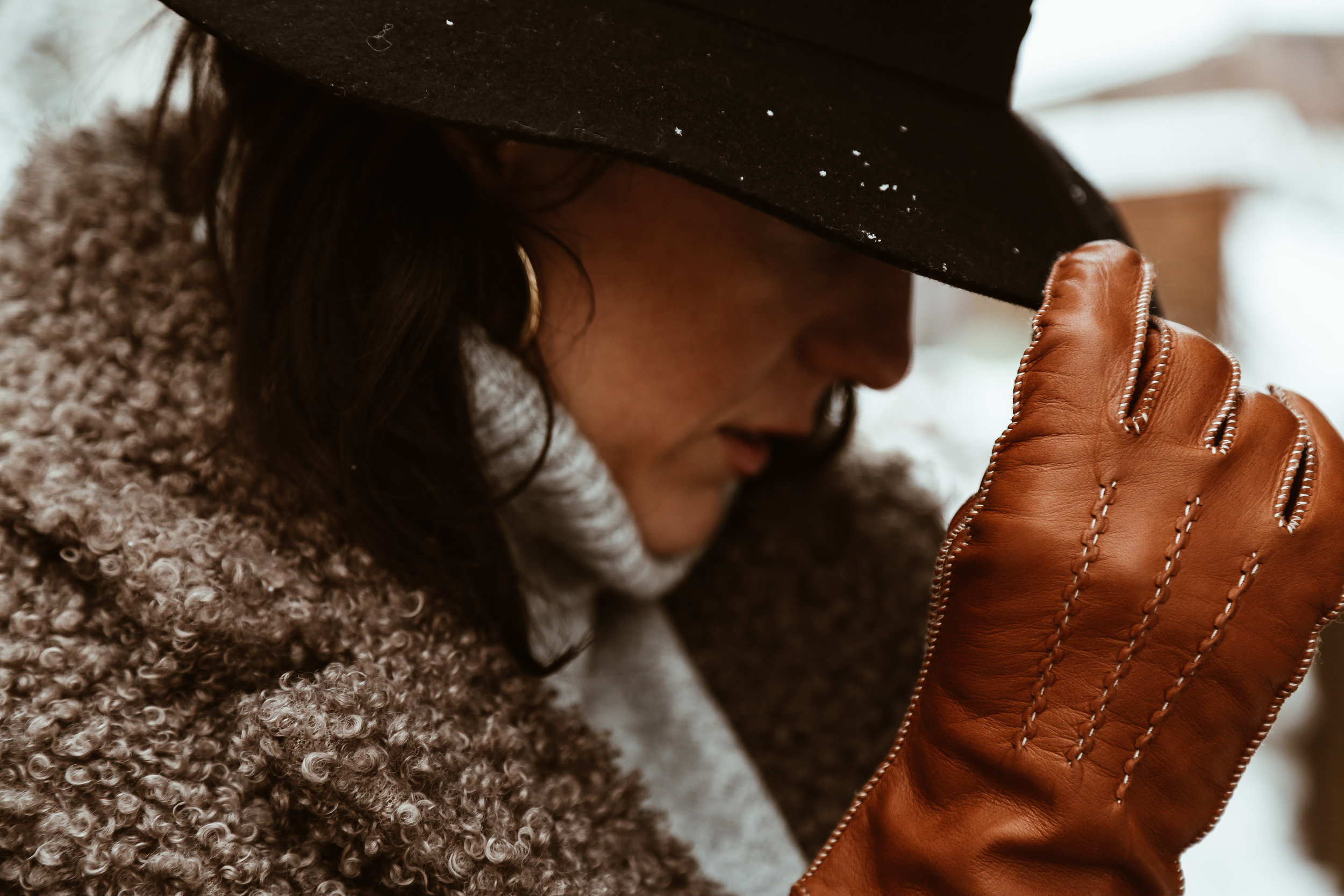
What to Pack for a Winter Trip to Switzerland
Planning a winter getaway to Switzerland- especially to storybook destinations such as Zermatt and Lucerne- is the kind of travel dream that stays with you long after you return home. With snow-dusted alpine peaks, charming old towns, scenic train rides, cozy cafés, and crisp mountain air, Switzerland in winter is nothing short of magical. But it’s also cold, snowy, and the weather is highly variable depending on altitude so the key to enjoying every moment of your Swiss adventure lies in smart packing: what you bring with you can make the difference between freezing in discomfort and embracing the cold in style.
We personally visited two very different areas of Switzerland while we were there on a trip in December. Yes, both were very cold. And yes, both required the obvious winter gear (jackets, hats, sweaters, you know, the usual things one would expect to wear in Switzerland in December/January). However, one place was a city (Lucerne) and one was a luxury ski town without cars (Zermatt), so, outside of the base layers, each spot required a few different pieces. Aka this isn’t a trip you can expect to pack light for! I have full guides to each city (Zermatt and Lucerne) with all the details on what we did, where we stayed, where we ate and more, but for the sake of this post, let’s hone in on the specifics of my Switzerland packing list- what I brought with me, the items I found most useful as well as some helpful tips for each place (i.e. how you get around, what you do, dress codes, etc.) so you can easily make the most informed packing decisions.
Whether you’re exploring historic cities, venturing into alpine villages, or spending time in the Swiss countryside, packing thoughtfully is essential, and the key to enjoying your trip comfortably is strategic layering, weather-ready footwear, and versatile pieces that work for both outdoor adventures, indoor exploring and city dining.
In this comprehensive guide, we’ll walk through exactly what to pack for a winter trip to Switzerland, with a focus on balancing style, warmth, and practicality so you’re prepared for everything from snowy walks to elegant evenings indoors. We’ll cover clothing, accessories, gear, travel essentials, and tips to stay warm, dry, and even photo-ready for every snowy moment.
So, let’s dive into it, shall we? Here’s everything you need to know to help you pack properly for winter in Switzerland-
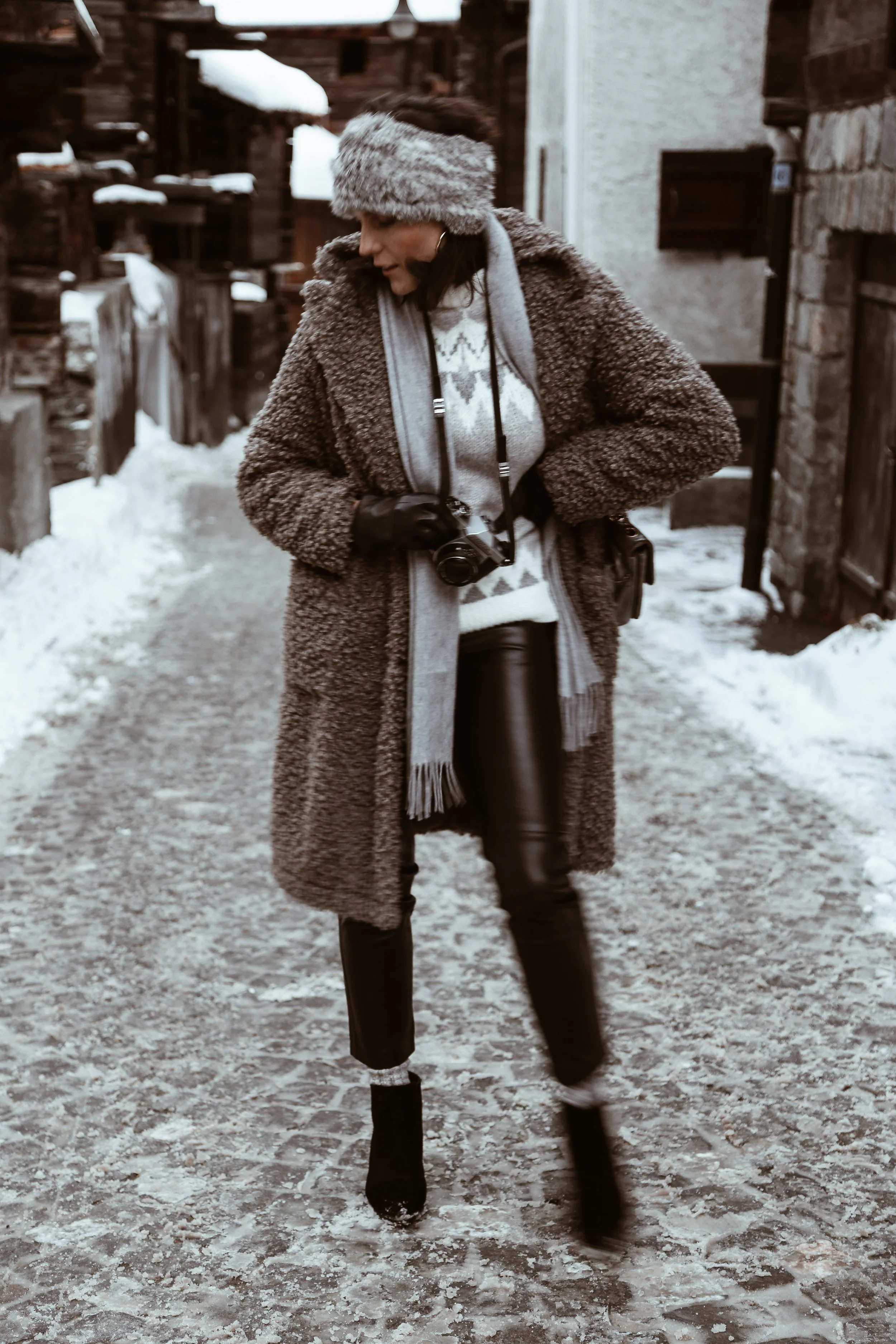
The Ultimate Packing Guide for A WINTER TRIP TO SWITZERLAND
Switzerland in Winter: What to Expect
Before we get into the nitty gritty of the packing list, let’s set the scene. Here are some typical winter conditions to expect across Switzerland-
Temperatures: In winter (December–March), temperatures generally range from the high 20s to low 40s °F (-2°C to 5°C), with colder conditions in mountain regions, and milder, but still chilly, weather in cities. In high-altitude locations like Zermatt, it will feel even colder, often dipping well below freezing with wind chill.
Snow & Weather: Snow is common throughout winter, especially in alpine areas. Even cities can have icy sidewalks and slushy streets, which means winter boots, warm layers, and waterproof gear are essential.
Activities: From things such as skiing in Zermatt’s legendary slopes to strolling Lucerne’s historic old town and lakeside promenade, winter travel can often include a mix of everything from sightseeing to scenic train travel, outdoor walks, winter sports, and cozy indoor dining. Because you’ll likely be moving between urban settings and colder mountain environments, packing versatile layers is far more effective than bringing bulky, single-use items.
PACKING FOR LUCERNE
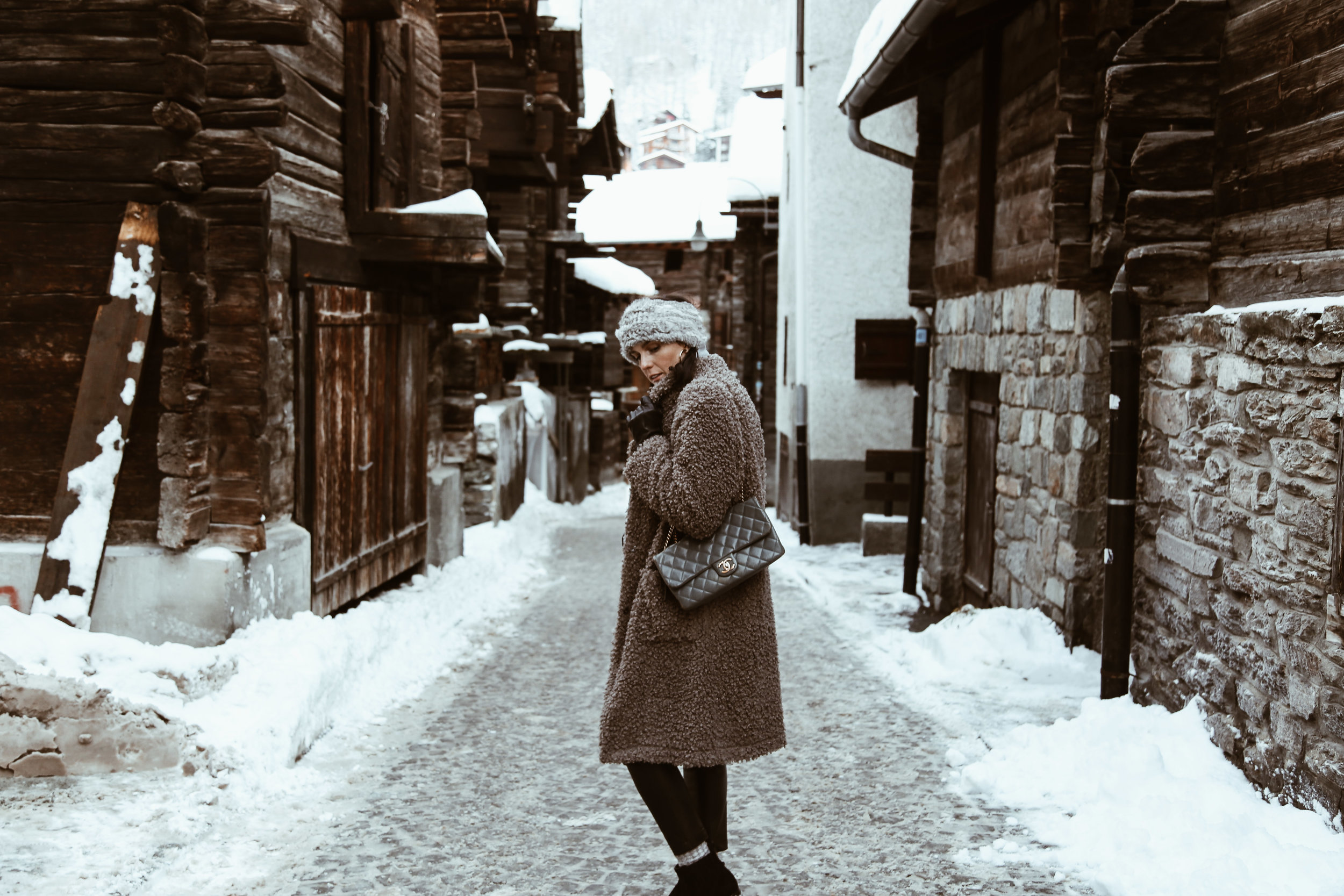
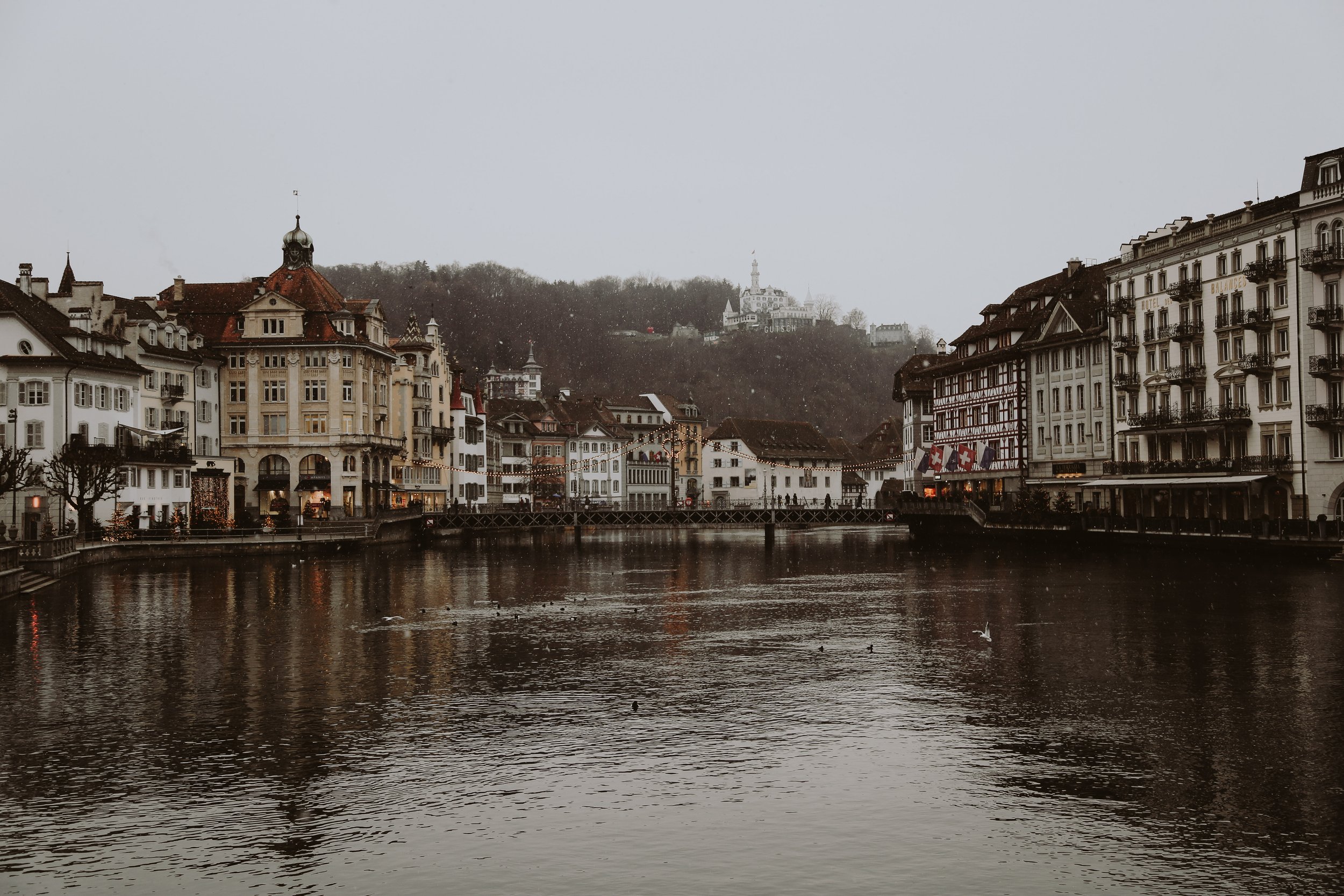
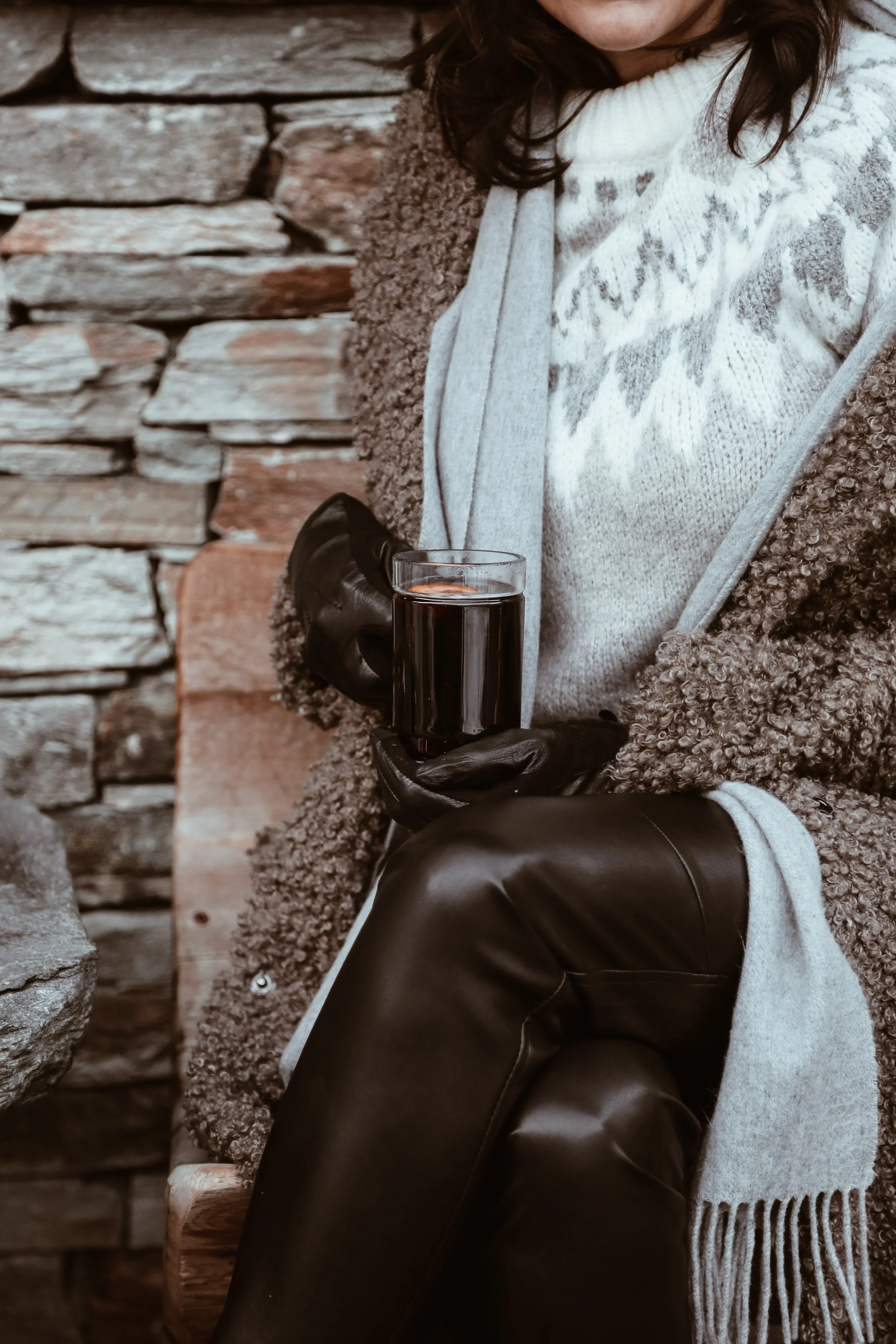
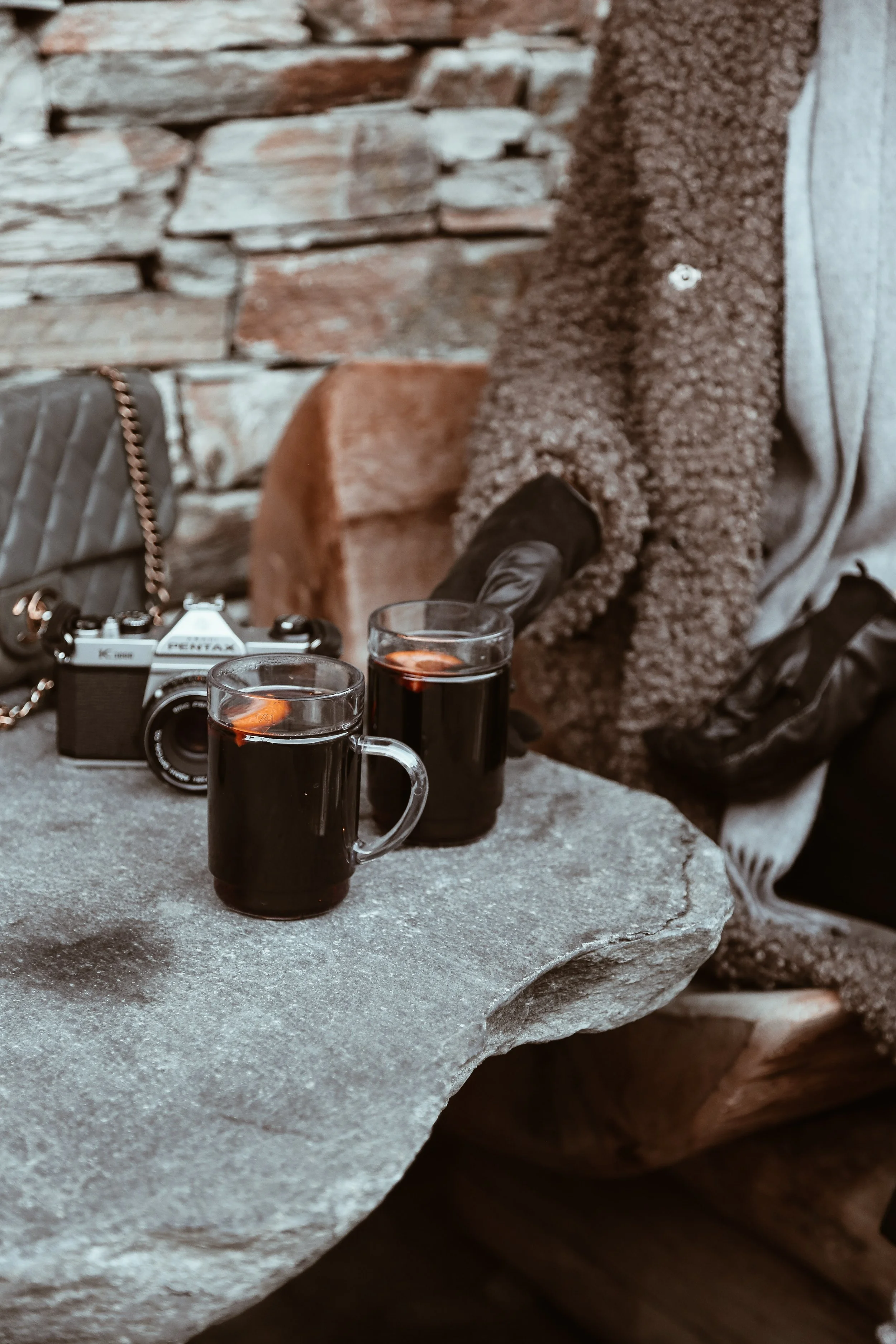
Lucerne has all the urban city vibes. For the most part, you’ll be walking around the town to get to all your activities, so be sure to have comfortable shoes and lots of warm layers (Oh, to visit in June/July when just a few less layers are required! Ha!). An over-the-shoulder bag is good to keep your hands free to document your trip with a camera, or just to keep them tucked away in your coat pockets for extra warmth. And definitely don’t forget gloves, preferably the ones with the touch screen ability because trust me when I say you will not want your hands glove-free for more than .2 seconds. While you’re more likely to go out for drinks than you are dinner in Lucerne (at least in our experience), you don’t need anything overly dressy (a nice sweater, jeans and boots/booties work just fine). The focus for Lucerne is definitely on layers, warmth, ease, comfort and convenience.
PACKING FOR ZERMATT
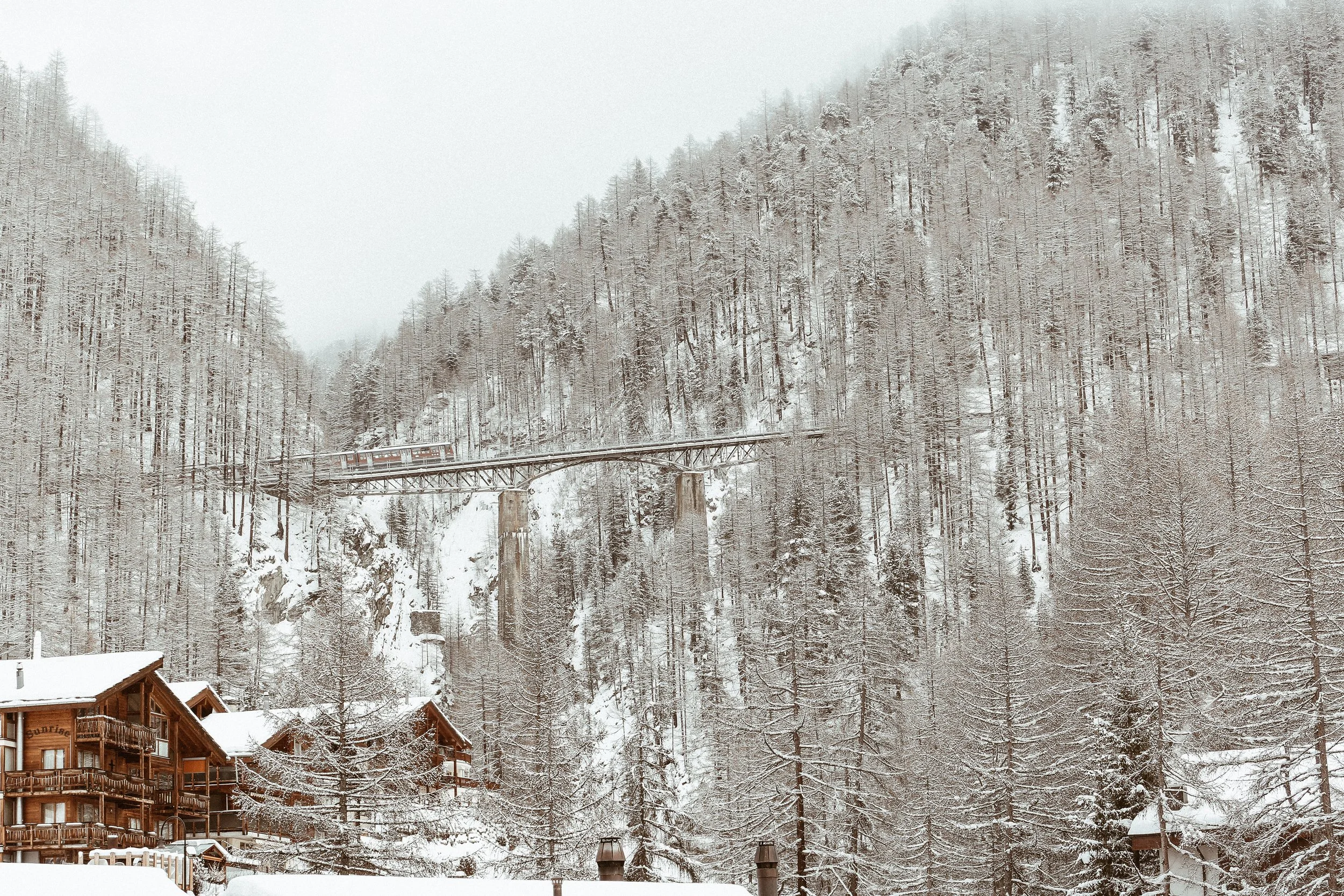
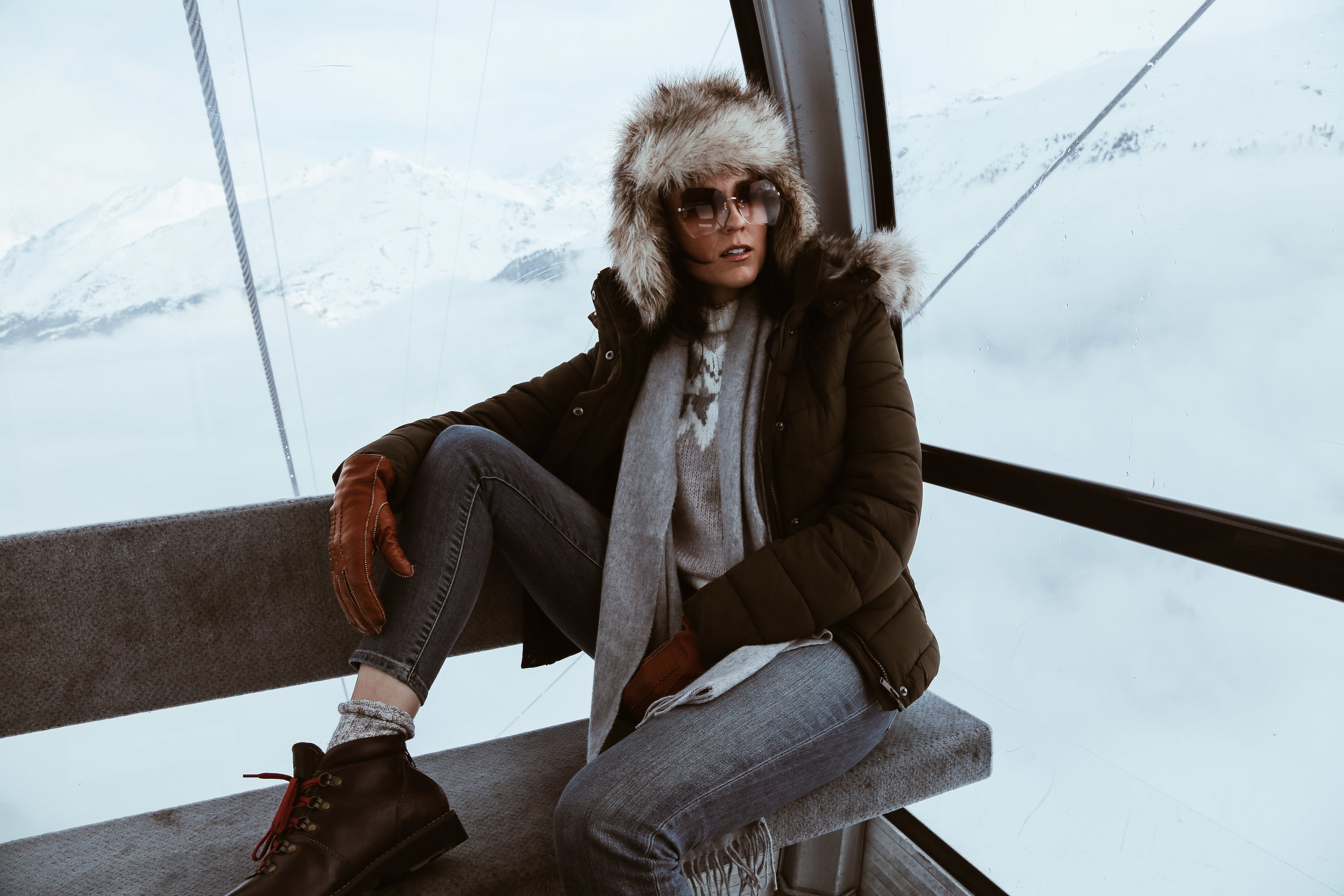
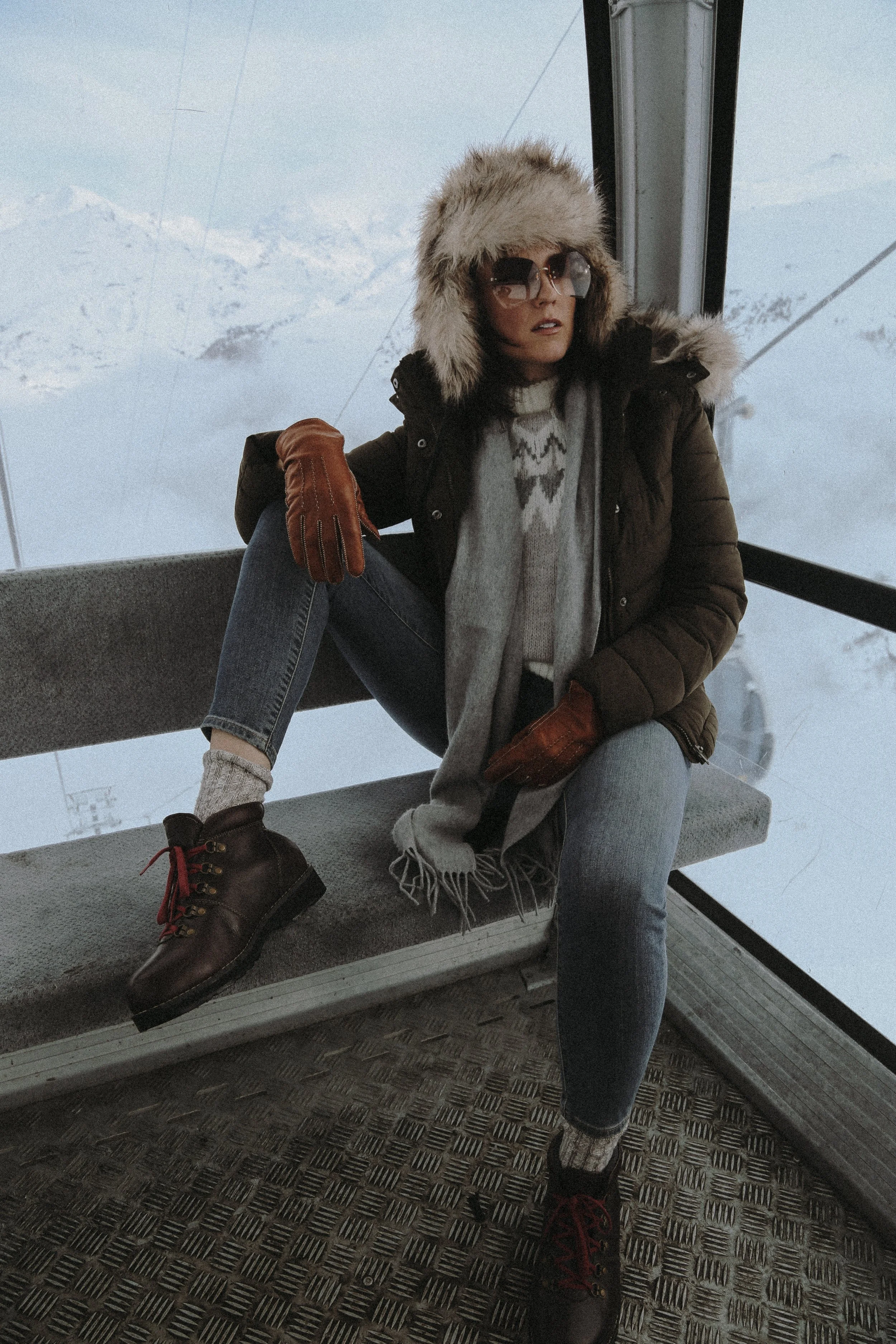
Zermatt, on the other hand, feels very much like the glam ski town you’d expect it to feel like. There are no cars so you’ll still be doing lots of walking, just in more snow (though they do do a good job of keeping the roads and pathways clear). There are definitely a lot more opportunities to go out for both dinner and drinks than I noticed in Lucerne, and while you may want to be a bit trendier/more fashion-forward, I would still say nothing overly fancy is needed. If you go to après ski, literally everyone will be in ski gear (and I do mean everyone). If you go to the top of the mountain/go skiing, you will, obviously, want all the layers. As for the glam, where I really noticed it was in the jackets (fur or Moncler), the boots (Moon Boots), the accessories and the ski gear. You certainly aren’t frowned upon or looked down on if you’re walking around in anything but designer, but it’s just something I took note of (but, you know, if you happen to have some Moon Boots or a Moncler hanging out in your closet I would say you maybe might want to definitely pack it and bring it to Zermatt with you!).
a few PERSONAL PACKING NOTES
While this was a winter trip, this was NOT a skiing trip. Hence why you will find plenty of cold weather winter wear on my packing list, but nothing specifically for skiing. Of course, if we had planned to go skiing, I would have included a few more things specifically for that, which I know seems obvious, but I just wanted to give a heads up and fair warning for anyone using this packing list who is planning to ski.
Anything with an asterisk is a piece I found especially helpful/was really glad I brought and, more often than not, wore on repeat throughout the trip.
Outside of all the standard things that come with me on any trip (things like my black tote bag, reusable water bottle, skincare line-up, jewelry, underwear, etc.), you can see everything I packed for visiting Switzerland, listed out below. I’ve linked exact items where possible, or included similar pieces for things no longer available. And, of course, if you have any specific packing questions, don’t hesitate to reach out and ask, or let me know in the comments (below).
Now, with those expectations in mind, let’s build out your packing list.
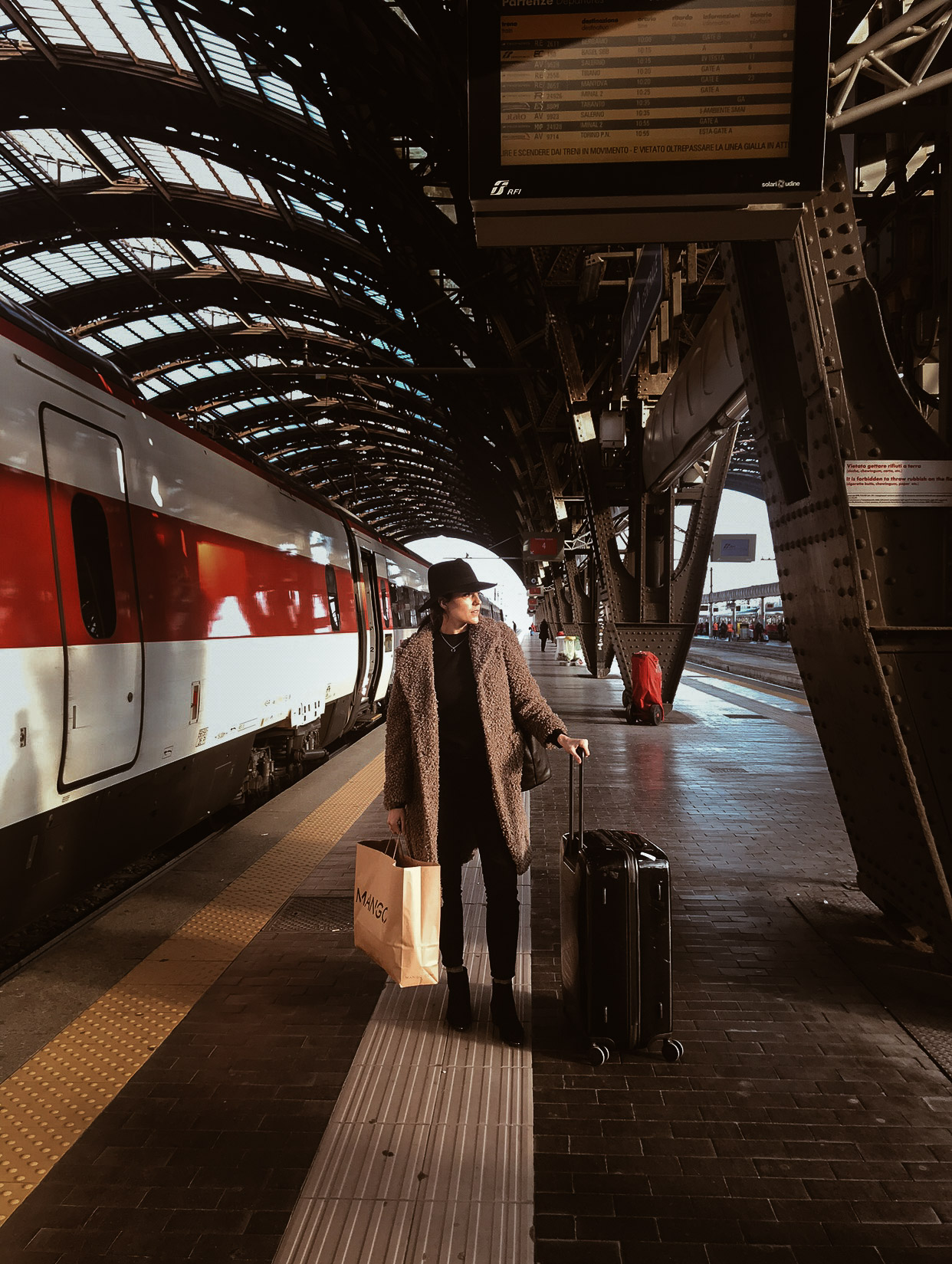

SWITZERLAND WINTER PACKING LIST
1. Base Layers: The Foundation of Warmth
Base layers are the unsung heroes of winter travel in Switzerland. They sit against your skin, regulate body temperature, wick away moisture, and keep you warm without adding bulk. These are especially important if you plan to ski, hike, or spend extended time outdoors, or are moving between heated interiors and cold streets. Trust me when I say that there’s no such thing as too many warm clothes for wintertime in Switzerland!
Must-Pack Base Layers:
Thermal long-sleeved tops + thermal leggings* designed for baee layers that create warmth and insulation (the ultimate winter trip layers; these items have been on every cold-weather trip with me throughout the last 10 years and I swear by them)
Pants: blue jeans, black jeans*, leather
Lightweight wool or thermal moisture-wicking socks (multiple pairs)
Why it matters: Even stylish winter outfits feel significantly warmer with a proper base layer underneath making them ideal for both sightseeing and long days out.
Tip: Merino wool is worth the investment- not itchy, temperature-regulating, and naturally odor-resistant. A win all-around!
2. Mid Layers: Cozy Yet Functional Without ADDING Bulk
Best Mid-Layer Options:
Wool or cashmere sweaters, the thicker and cozier the better (alpine print, chunky knit, turtleneck)
Crewneck sweatshirt* (comfortable, warm, easy to layer and easy to keep casual or dress up, as needed)
Style meets function: Choose neutral colors that mix easily with the rest of your wardrobe. These layers often become visible indoors, so comfort and polish matter. Neutral tones like cream, slate gray, and forest green travel are versatile and work well with all outfits.
3. Outerwear: A Reliable Winter Coat Is Non-Negotiable
A high-quality winter coat is, obviously, essential for Switzerland in winter and a well-chosen coat can be the difference between delightful snow days and shivering through sightseeing. Look for outerwear that offers warmth, weather protection, and enough room for layers underneath.
Essential Outerwear
Waterproof, insulated winter coat (Especially if you’re skiing or snowboarding on your trip)
Lightweight down or insulated vest for extra core warmth
Waterproof snow pants: Useful if you plan to spend extended time outdoors for things like snowy walks, skiing or sledding.
What to look for: Wind resistance, a hood, and insulation rated for freezing temperatures. Swiss winter weather can change quickly, especially in higher elevations.
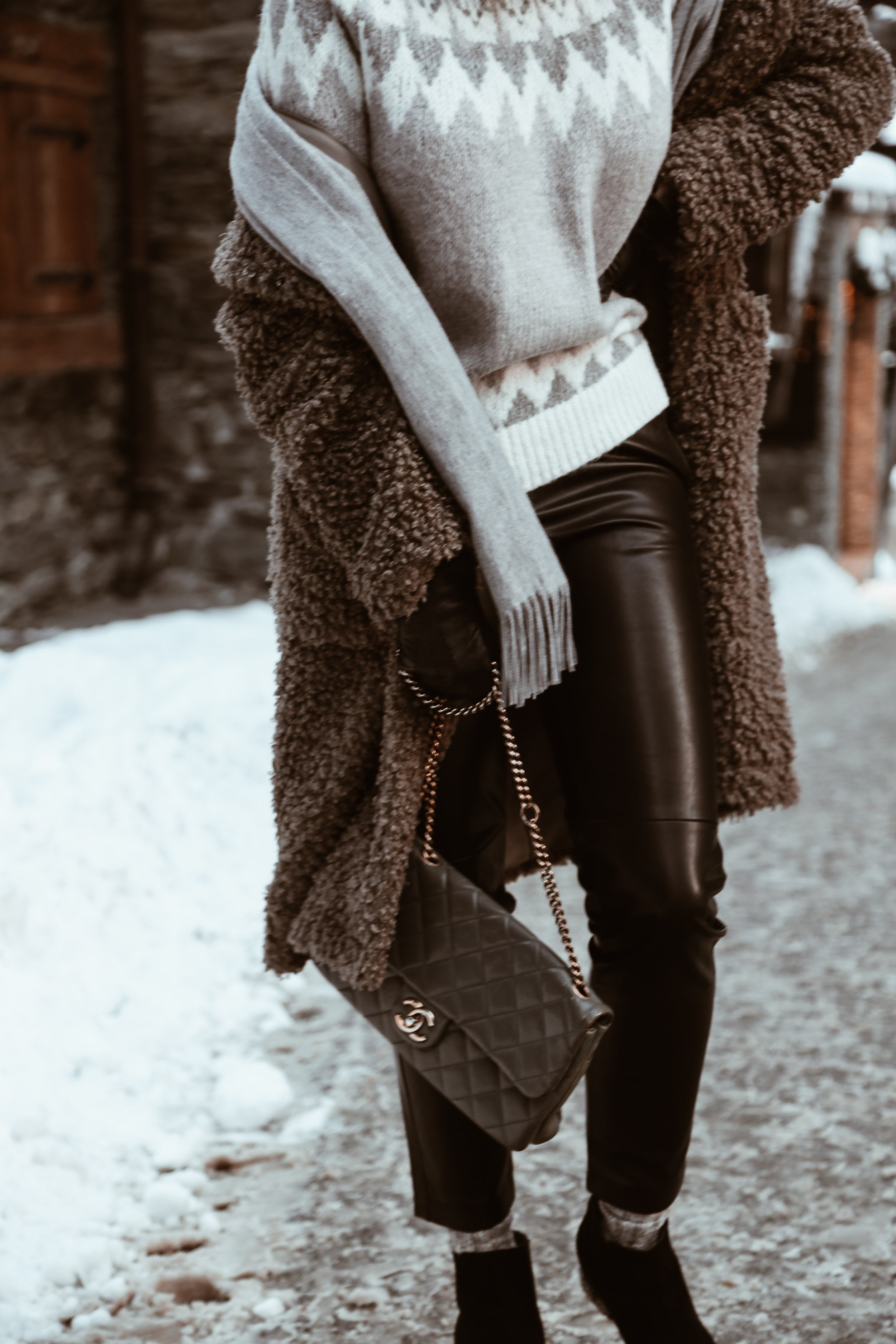
4. Winter Footwear: Comfort, Warmth + Traction to Keep Your Toes Toasty
Cold feet can ruin even the most beautiful scenic strolls so footwear can really make or break a winter trip. Streets, paths, and countryside trails can be icy, snowy, or wet- sometimes all in the same day.
Winter footwear essentials:
Waterproof insulated winter boots with good traction
Warm thick socks*
Cozy slippers for mornings and evenings inside
Optional: Ice grips or traction cleats (great for icy sidewalks)
Choose boots that are comfortable enough for long walks but polished enough to wear into restaurants and cafés. In Switzerland, stylish yet functional boots are everywhere so you’ll blend right in.
5. Cold-Weather Accessories: Small Items, Big Impact
These are the winter travel items you might overlook- until you desperately need them. These items are easy to pack, make a noticeable difference when temperatures drop and they play a major role in keeping you comfortable throughout the day.
Winter Accessories to Pack:
Touchscreen-friendly gloves for milder days
Warm hats/beanies: neutral knit (wool or fleece-lined for extra warmth), faux fur, fur headband
Sunglasses (snow glare can be intense)
Ski goggles if planning to ski
Over-the-shoulder bag (to keep hands free and in your pockets for extra warmth)
6. Everyday Clothing for Cities & Evenings
Swiss winter style leans classic and functional. Think elevated basics that layer well and work across multiple settings.
Clothing to Consider:
Long-sleeve tops and turtlenecks
Knit dresses or sweater dresses
Dark jeans or lined trousers
Warm tights or leggings
Comfortable, polished outfits suitable for dining indoors
Fewer pieces that mix well together are better than overpacking statement items that only work once.
7. Toiletries & Winter Skincare Essentials
Cold winter air, especially in mountain regions, is harsh, cold + dry, so when it comes to packing up your beauty bag, be sure to adjust accordingly. You will need all the extreme moisturizing things you can get!
Essential Toiletries to Pack
Be sure to include essentials like:
Tip: Smaller refillable bottles help save space and weight.
MEDICATION AND SUPPLEMENTS
While you can definitely find standard medicines and first aid supplies at the local drug store, you’ll want to pack any necessary medications, as well as any specific over-the-counter remedies you prefer for basic ailments like cold symptoms, headaches, allergies, bloating or upset stomachs (I love ginger chews for this).
Any prescription medications
Basic first-aid kit
Cold & flu meds (just in case)
SKINCARE
A very rich face oil
Extra-nourishing sunscreen (snow reflects UV rays intensely at high altitude)
Moisturizing sheet masks + cream mask (both totally saved my skin and kept it glowing throughout our trip)
Eye mask (to use in place of standard eye cream since a mask is more moisturizing)
Hydrating mist (good to spritz on and keep your face feeling moisturized and fresh throughout the day)
Gua Sha (to help de-puff from traveling and change in elevations)
A rich BODY OIL OR LOTION
FACE MOISTURIZER: I like this one because it’s really thick and leaves me skin feeling hydrated and glowing, no matter what travel or climate I’m in. I also bring a light daytime moisturizer with SPF.
RESEST SPRAY: Literally can’t live without this product! It is desert island, holy grail status for me, and especially so when I’m traveling because it makes skin so glowing and hydrated. Using it after skincare, before makeup, and spritz it on to refresh your skin throughout the day. Yes, it’s a glass bottle and yes, it’s full sized, but that is how much it is worth bringing on a trip.
HAIR CARE
THERMAL BRUSH: Great for quick and easy styling on-the-go, this brush simultaneously dries and styles which is great because who wants to spend time doing their hair when they’re on a trip?!
WIDE TOOTH COMB: For detangling post-beach hair
HAIR MASK: For rehydrating strands after days spent in the sun, sea and pool
LEAVE-IN CONDITIONER: Great for added moisture and air dry hair styles
HAIR GEL: For taming frizz and flyaways that pop up in the heat and for quickly creating effortless and sleek post-beach hair styles, especially when you’re short on time and need to go from beach to dinner real quick; I love this gel because it’s soft and workable and doesn’t create anything too stiff.
AIR-DRY PRODUCT: I like to bring a product or two that helps me air dry my hair as there’s often not time to spend hours styling my hair, nor do I really want to when it’s hot and humid out. This product is a great example of one that I love to have with me.
SILK PILLOWCASE: I like to bring a silk pillowcase with me, especially in hot and humid climates, to help control frizz and keep my hair smooth and silky while I sleep. I know this might seem excessive but they’re so lightweight and take up practically no space so it’s worth to me for better hair (and skin) while traveling.
MAKE-UP
When it comes to makeup I’d suggest bringing things that are minimal, easy to apply and are extra moisturizing to dewy, glowy skin. Think tinted moisturizer, brow gel, lip balm. I also love this creamy, natural looking bronzer and this make-up stick that pulls double duty as a blush and bronzer combo that’s especially complimentary to sun-kissed skin.
8. Tech Essentials: Stay Powered & Prepared
Switzerland is well connected, but you’ll want the right gear to stay charged and ready for adventure.
Electronics and Charging Gear
CAMERA GEAR (with extra batteries as cold weather drains batteries quickly)
As a photographer, a camera (ok actually multiple cameras) is a non-negotiable for us. But even if you just like to take photos casually, I still suggest bringing a lightweight camera capture your European adventure. Sure you can use a phone, but nothing beats camera quality, especially if you plan to ever print any photos off. We have and love this camera as our compact option. It’s super lightweight, has tons of settings and options, is easy to use and the quality is top notch.
EUROPEAN PLUG ADAPTORS + USB PLUG
Europe uses different plug types than North America and some other regions so be sure to pack a few universal power adapters so you can charge your devices without trouble.
Long days of sightseeing will inevitably leave your phone running low on battery so a portable charger is a total lifesaver when you plan to be out and about all day.
9. Day Bag Essentials
Whether you’re exploring Lucerne’s charming cobblestone streets or riding the Gornergrat Railway in Zermatt, you’ll need a smart day bag. A compact backpack or crossbody bag works well for daily exploring.
Day bag must-haves:
Insulated water bottle
Wallet and travel documents
Snacks (granola bars, nuts)
Sunglasses
Mini umbrella
Warm gloves/scarf stashed for outdoor stops
10. LUGGAGE
Outside of the basics (i.e. a suitcase and toiletry case), here are a few things that help me to pack better:
Packing cubes are a game changer when it comes to packing more efficiently, organizing your clothes by category (shirts, pants, etc.) and saving space in your luggage. Highly recommend.
A must if you like to shop and bring home antiques. I always bring an expandable duffle bag to Europe so that I can transfer clothes and other non-breakable items to it for the trip back home and can then bring any fragile or breakable antiques, pottery, travel purchases and souvenirs back in my hard suitcases.
My trusty carry-on bag for almost a decade and counting. Expandable, easy to roll, holds so much, lightweight, dependable. Let’s just say there’s a reason most flight crews use this as their go to bag.
Super helpful to keep track of the weight of your luggage when you’re repacking to head home, and even more so if you’re flying different airlines through different airports as some of have different weight restrictions than others.
11. TRAVEL FAVORITES + Optional Items to Consider
These are a few things that I personally take on every trip and honestly can’t travel without, especially on long haul travel days. These essentials help to keep you comfortable and prepared for travel stresses.
NOISE CANCELING HEADPHONES: A must for long haul flights, train rides and travel days
MINI MASSAGE GUN: An absolute game changer for relieving pain and muscle cramps on long flights and post-days spent walking and exploring. This one is so small and easy to re-charge but trust me, it still packs a punch.
TIGER BALM PAIN PATCHES: These feel wonderful on any pain points that pop up on a long flight or after long days spent out and about. I especially love putting one on my lower back for flights. So helpful!
RESISTANCE BANDS: For workouts on-the-go
COMPRESSION SOCKS: A necessity for long flights
EYE MASK: Helpful for sleeping on flights, and homes and hotel rooms that may not have the best window covering situations. I also love these warming masks for an extra luxurious travel treat.
REUSABLE WATER BOTTLE: Obviously, staying hydrated while traveling is important. Many European cities offer free drinking water fountains (for example, in Lucerne you can fill up your bottle with fresh mountain spring water at any of the designated fountains around the city), and a reusable water bottle can save you money and reduce plastic waste.
ELECTROLYTE POWDER: And on the topic of hydration, I always like to bring electrolyte powder to stay even more hydrated, especially with changing time zones, climates and busy schedules.
SNACKS: I always like to pack a few of my own snacks since it can be harder to find healthy (and reasonably priced) snack options on the go. Think things like nuts, crackers, protein bars, dried fruit and meat sticks.
EXTRA ZIPLOCK BAGS: Because you never know what you might need to pack up
A NOTEBOOK: I love jotting down notes about our travels, from where to we go to what we eat and what we cook
12. Travel Documents and Essentials
I think most of these go without saying, but a friendly reminder never hurts, right?!
PASSPORT AND I.D.
Obviously, your passport is a must, but make sure to also carry a photocopy of it and any other important documents like your travel insurance or reservation confirmations just in case something gets lost, misplaced, you don’t have service, etc.
TRAVEL INSURANCE
While it’s not mandatory, travel insurance can save you a lot of stress if something unexpected happens during your trip.
CREDIT AND DEBIT CARDS
Notify your bank of your travel dates to avoid any fraud alerts. It’s also wise to carry some local currency, especially for small purchases or tips.
WHAT I WISH I HAD PACKED
A cardigan (I only brought pull-over sweaters and I feel like a cardigan would have been a nice layer piece for places like the train or when out to dinner, since I would get warmer inside)
White booties (just personal preference based mostly on the fact that I kept saying out loud “This outfit would look so much better, if only I had white booties!” Haha)
White jeans (see above, because basically I wished I had had white jeans for the same reason I wish I had had white booties with me)
More sweaters (no such thing as too many and also because I quickly got bored of the ones I did bring since that was basically all I wore)
A long puffer coat (a lesson learned the cold, hard way; the coats I brought were all on the shorter side and it definitely would have been nice to have a little extra length keeping me toasty and warm, especially for things like going up the mountain in Zermatt)
The TL:DR Switzerland Winter Packing Checklist
Here’s a handy checklist you can screenshot or print:
Clothing
Thermal Base layers (top + bottom)
Mid layers (fleece and/or sweaters)
Insulated winter coat
Waterproof pants or snow pants
Waterproof insulated boots with traction
Thermal socks (multiple)
Accessories
Gloves/mittens (plus liners)
Hat/beanie
Scarf/neck gaiter
Sunglasses or goggles
Hand & toe warmers
Toiletries
Moisturizer
Lip balm with SPF
Sunscreen
Hand cream
Travel Gear
Camera + batteries
Travel adapter + cables
Power bank
Reusable water bottle
First-aid & meds
Day bag or backpack
Extra Tips for Traveling in Switzerland in Winter
1. Pack for Train Travel
Swiss trains are efficient and cozy, but if you’re someone who gets extra chilly be sure to bring a small blanket scarf for extra warmth during scenic journeys.
2. Dress in Layers
Layering is key in Swiss winter weather, especially if you’ll be moving frequently between heated interiors and cold outdoor environments.
3. Pack versatile pieces
Items that work for both countryside walks and city dining reduce the need to overpack.
4. Comfort matters
Prioritize warmth and walkability- you’ll enjoy your trip far more when you’re comfortable.
5. Download Offline Maps
Save data and battery life and download maps in advance.
6. Leave Room in your luggage for Souvenirs
Switzerland is a wonderful place to shop for wool goods, winter accessories, and local specialties (Hello Swiss chocolate!), so be sure to leave a bit of extra luggage space!
Final Thoughts
Packing for a winter trip to Switzerland, especially for destinations as stunning and varied as Zermatt and Lucerne, doesn’t have to be overwhelming. With the right cold-weather clothing, layers, footwear, travel gear, and thoughtful planning, you can focus on what really matters- enjoying everything winter in Switzerland has to offer and sipping hot chocolate in a mountain café, gliding over snowy landscapes, and capturing memories that last a lifetime.
RELATED POSTS YOU MAY ENJOY
SHOP THE POST
EXACT (OR SIMILAR) ITEMS FEATURED IN THIS POST
first published 12/12/21, last updated 12/10/25